


Join our faculty!
The LSU History Department is currently hiring two tenure-track assistant professors. We seek specialists in 20th Century U.S. History and Modern East Asian History. Please consult these links for further details about each job posting. Applications are due by October 15, 2026.
High honors for LSU history professors
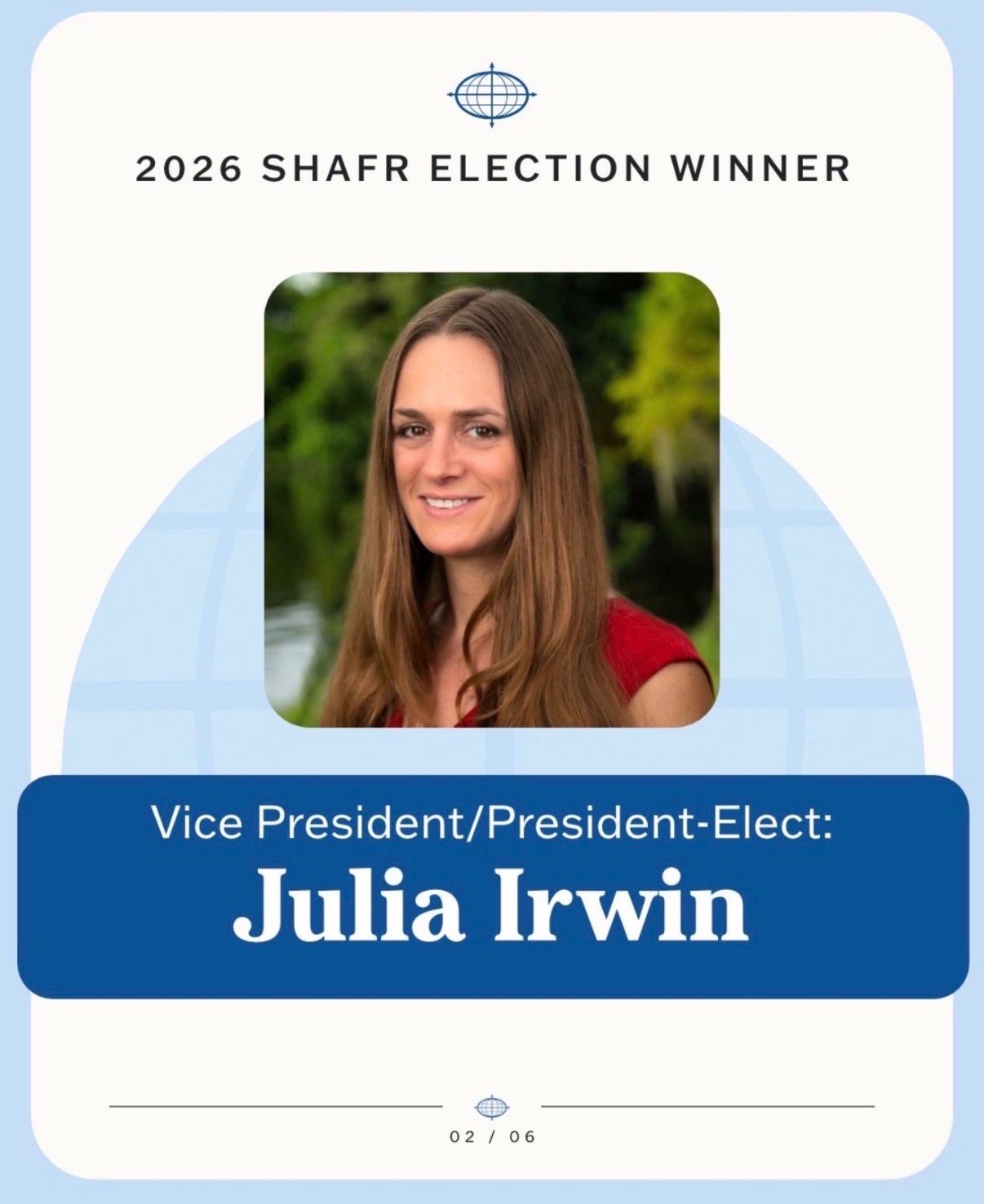
T. Harry Williams Professor Julia Irwin has just been named Vice President and President-Elect of The Society for the History of American Foreign Relations. Congrartulations Dr. Irwin!
The Boyd professorship is one of the highest marks of academic distinction LSU can bestow, and the Department of History can now boast the rare honor of having two Boyds in its ranks! Fred C. Frey Professor Aaron Sheehan-Dean was announced as a new Boyd professor in September 2026.
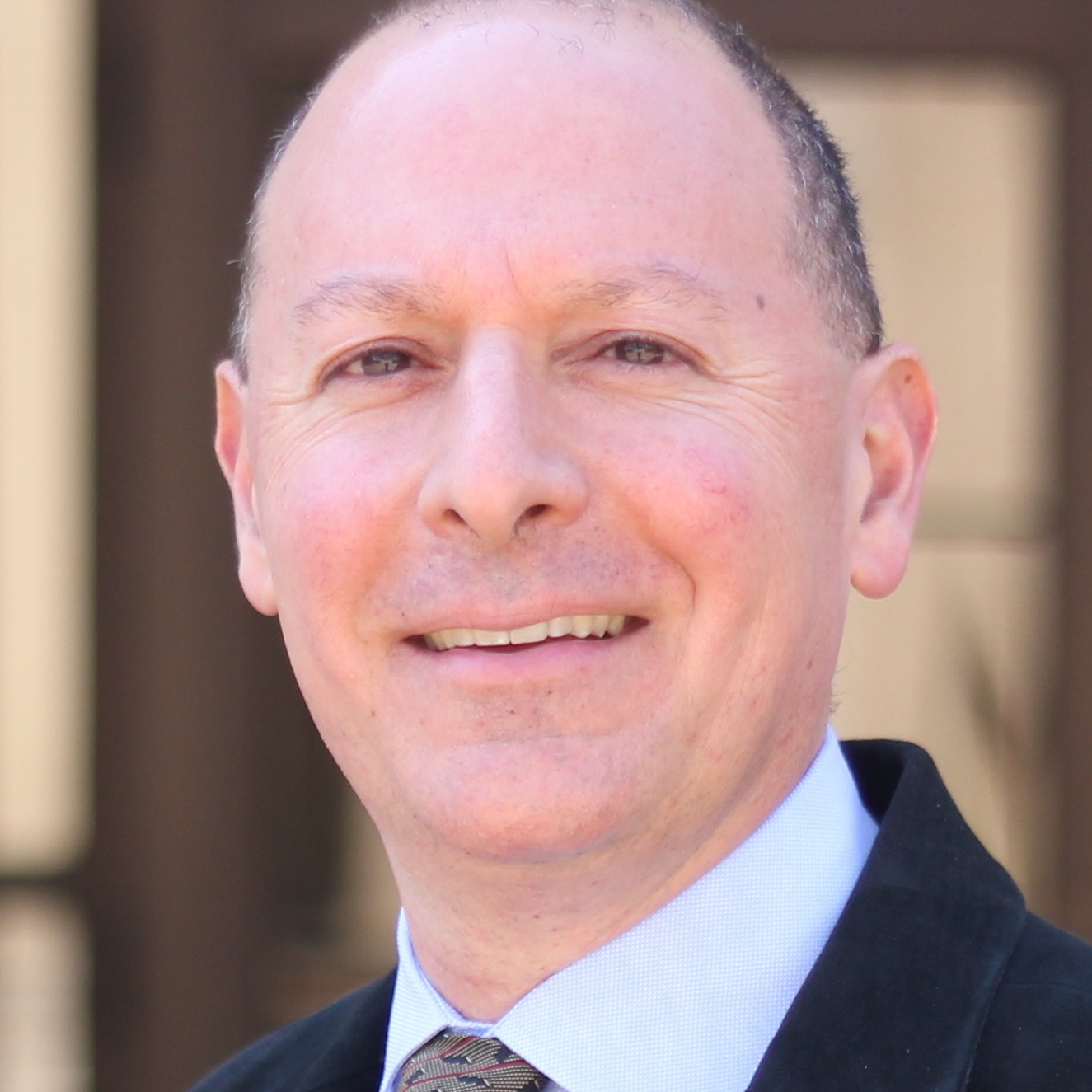
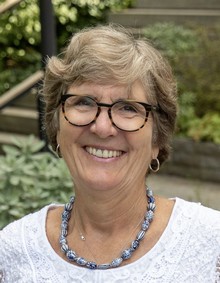
Boyd Professor Suzanne Marchand is the current president of the American Historical Association, the premier professional organization for historians in the United States. Prof. Marchand served as vice-president of the organization in 2025. Congratulations to Professors Sheehan-Dean and Marchand on this incredible achievement!
Geaux Teach
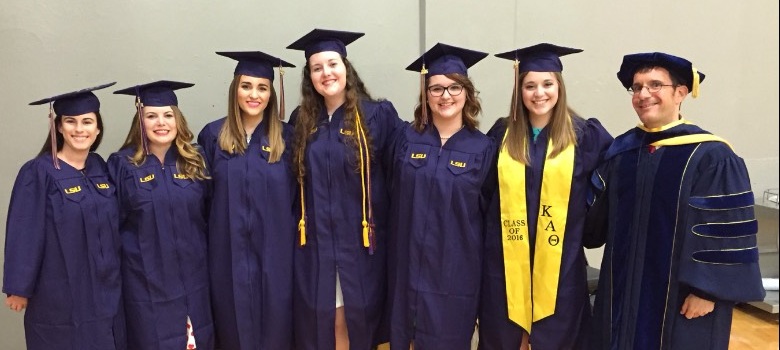
Graduates of Geaux Teach, the Major in History with a Concentration in Secondary Education, pose with program advisor Prof. Zevi Gutfreund (far right). For information on the Secondary Education history program: Geaux Teach
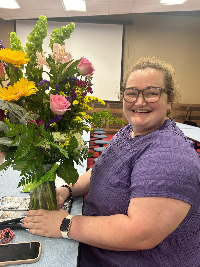
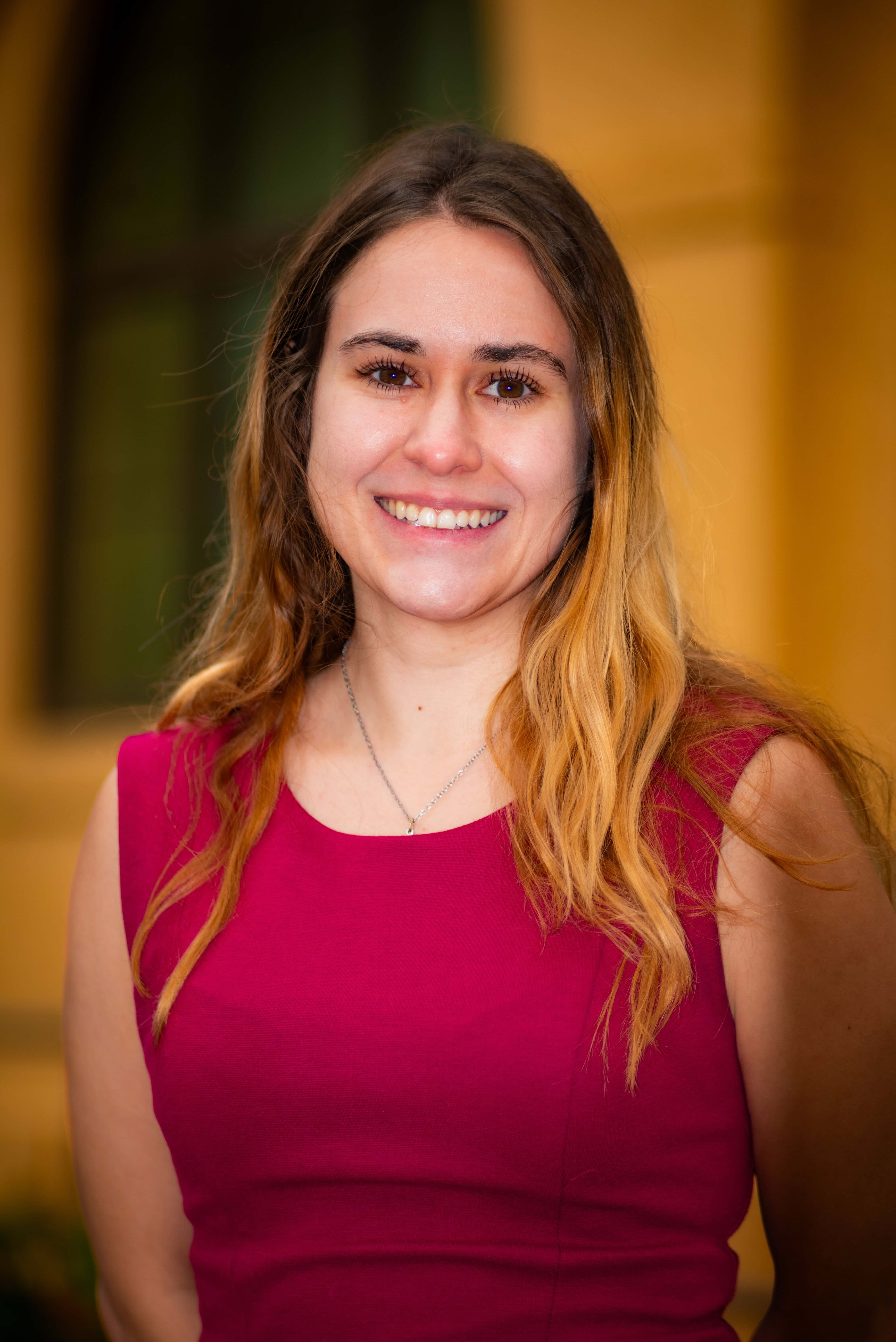
Congratulations to Julia Palmer, Class of 2024 and Geaux Teach alumna, who was named New Teacher of the Year at Zachary High School in fall 2024. Zachary High social media posted:
**2024 Teacher of the Year: Julia Palmer**
In such a brief time, you have demonstrated an incredible talent for teaching, and we eagerly anticipate the amazing journey ahead of you!
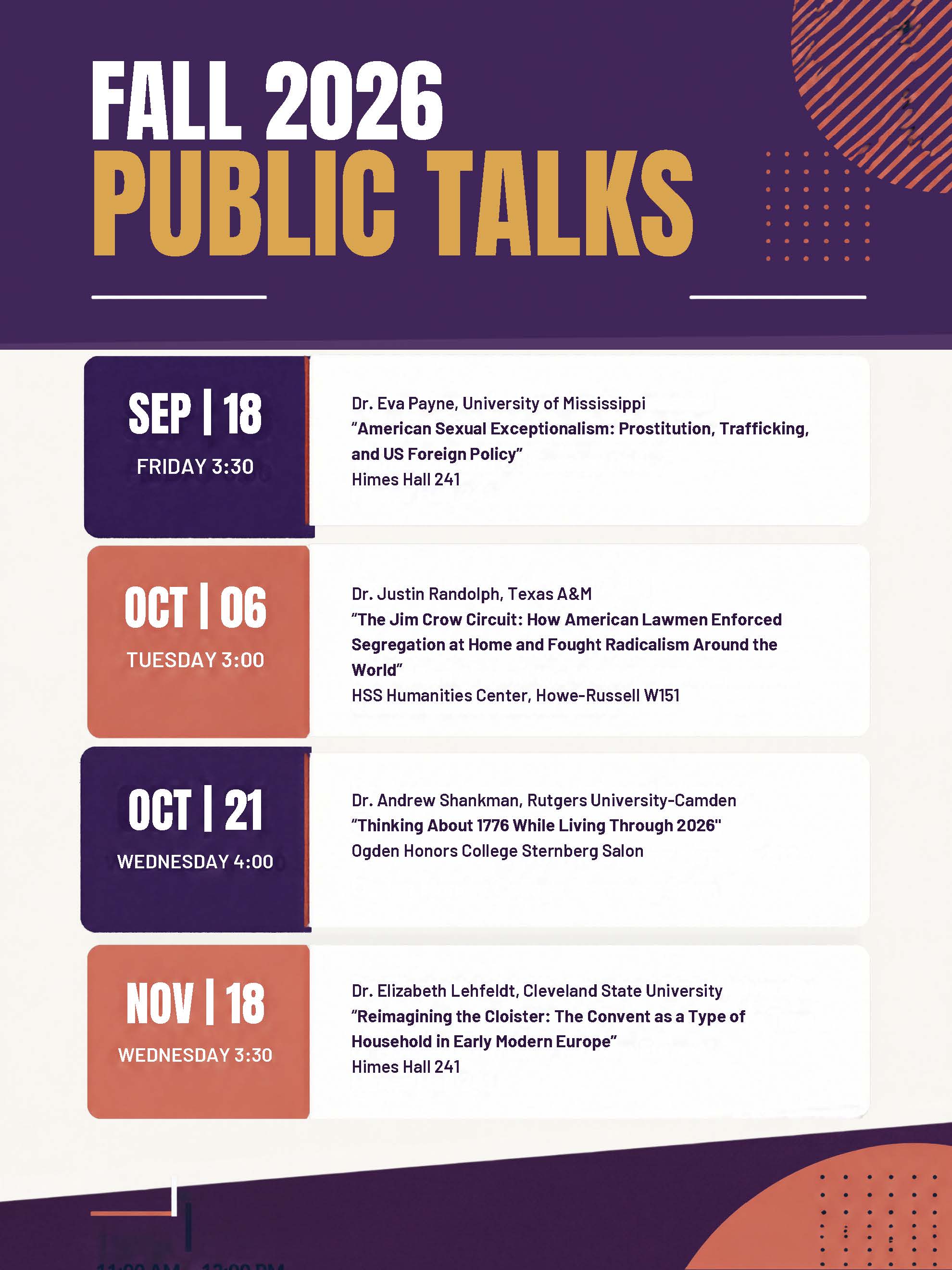
Modern History Colloquium
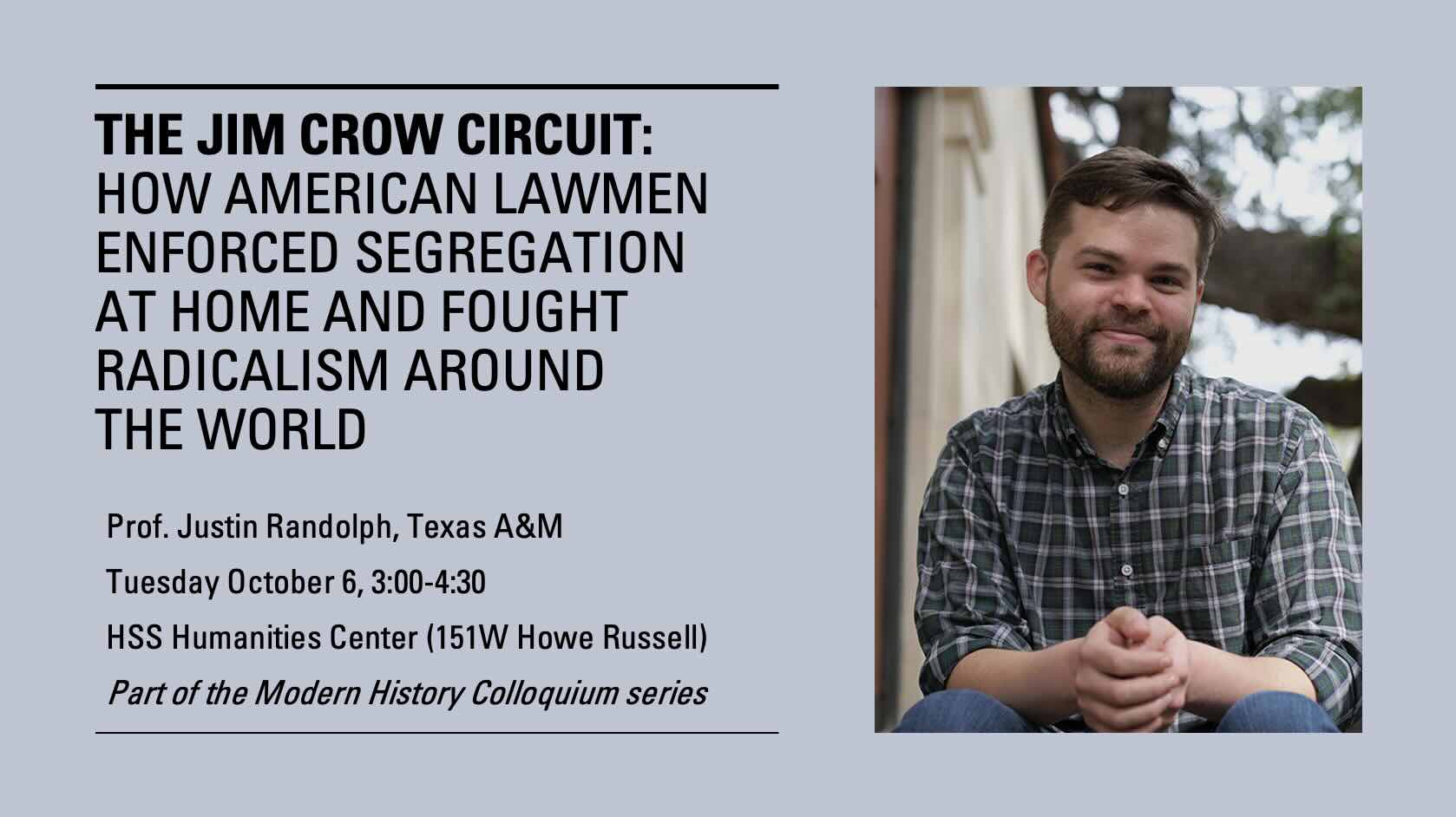
Tuesday October 6: "The Jim Crow Circuit: How American Lawmen Enforced Segregation at Home and Fought Radicalism Around the World"
Prof. Justin Randolph, Texas A&M
3:00 pm, HSS Humanities Center (151W Howe Russell)
For upcoming History Department talks, please see the full schedule here!
The Sky's the Limit for our Graduate Students
Congratulations to Justin Martin (MA 2024) whose article “We Must Save Ourselves”: The Mississippi Freedom Democratic Party and Freedom Politics at High Tide in Mississippi, 1965–1967" was published in the Journal of African American History in Spring 2026. Way to geaux Justin!
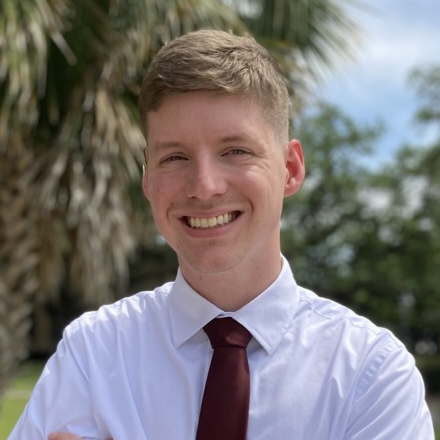
Congratulations to Logan Istre (PhD 2026) who was chosen for a prestigious 2026-2027 postdoctoral research and teaching fellowship at the Hoover Institution at Stanford University. He received one of three fellowships at Stanford from an applicant pool of over 300. Dr. Istre successfully defended his dissertation in January 2026. Way to geaux Logan!
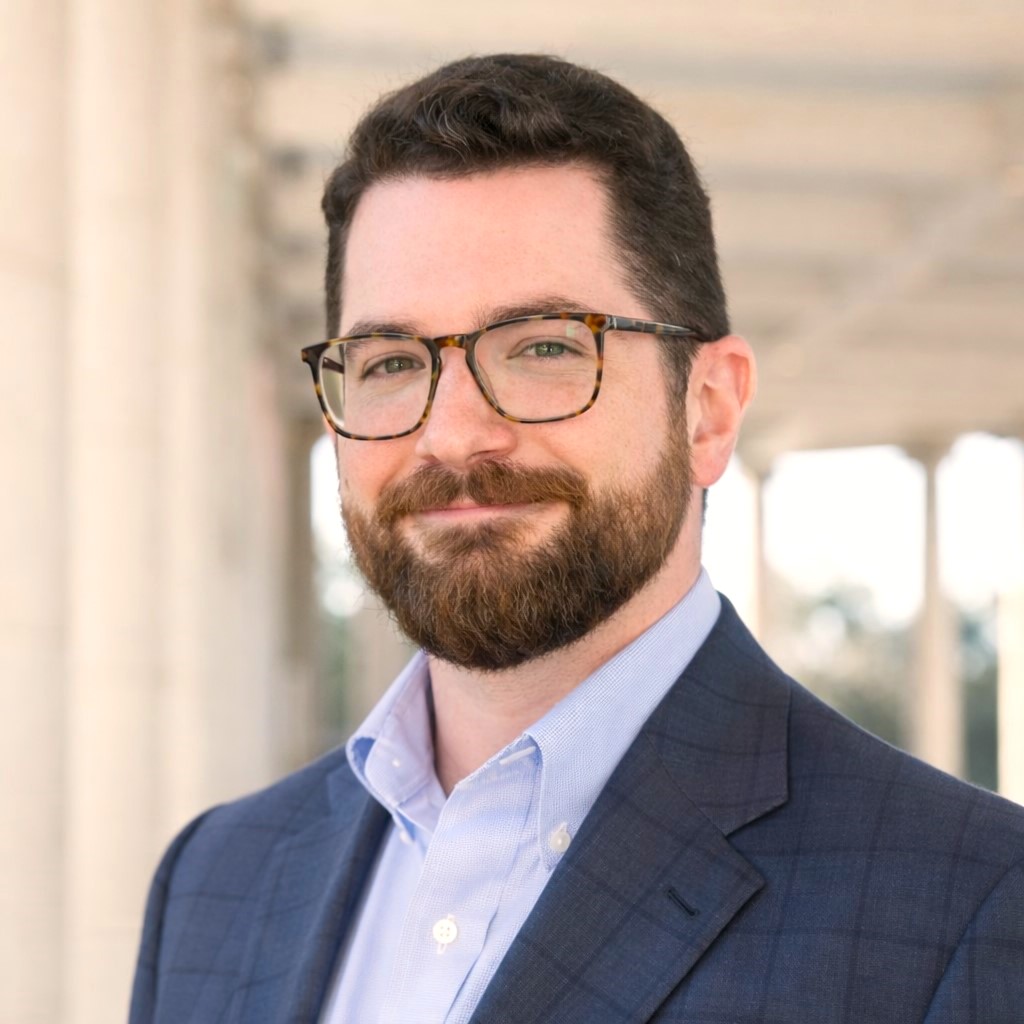
Congratulations to Andrea Wisniewski (PhD 2025) whose dissertation, “Catholics in Name Only: Weimar Catholic Identity and the Thought of the DNVP Reich Catholic Committee,” was selected as the runner-up of the 2025 LSU Alumni Association Distinguished Dissertation Award in Arts, Humanities & Social Sciences. Only one runner-up is designated in this category. Way to geaux Dr. Wisniewski!
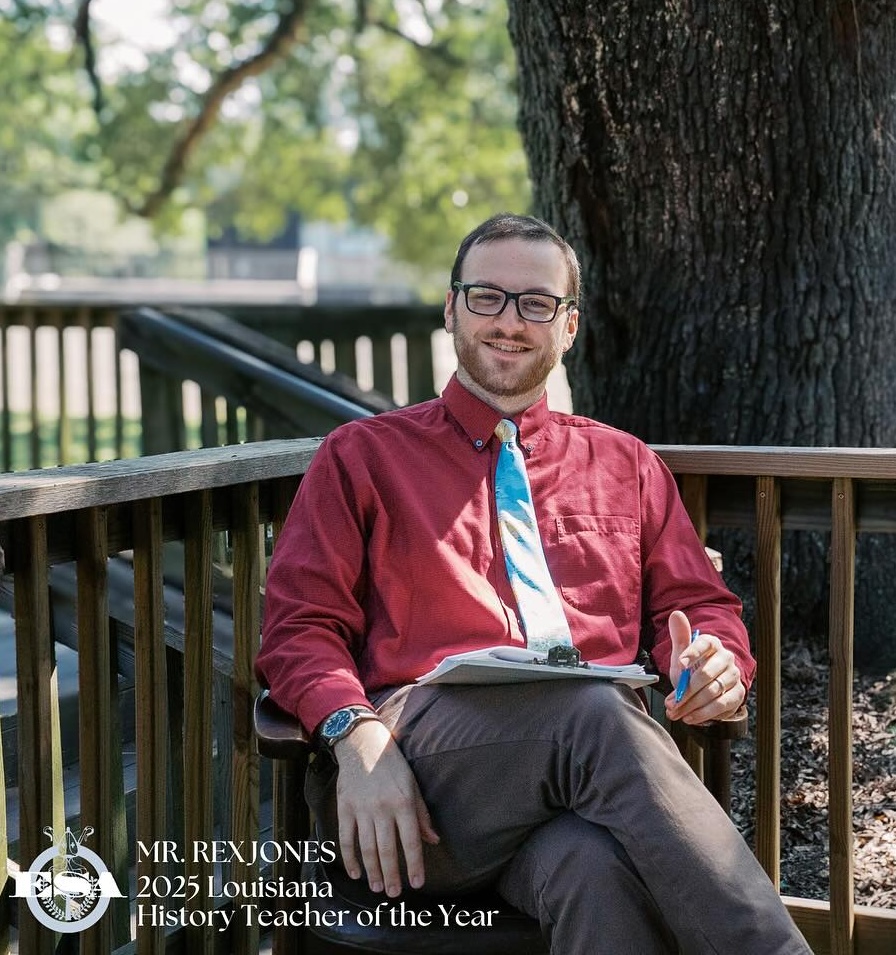
Congratulations to PhD student Rex Jones who was named the 2025 Louisiana History Teacher of the Year by the Gilder Lehrman Institute. Jones is a part-time student with the LSU History PhD program and a full-time teacher of history at Episcopal School of Acadiana in Cade, LA. Way to geaux Rex!
Recent Faculty Books
See our Book News page for a more complete list of recent books by faculty and former graduate students
Claiming the Nation: The Politics of Nationalism in Postcolonial Brazil
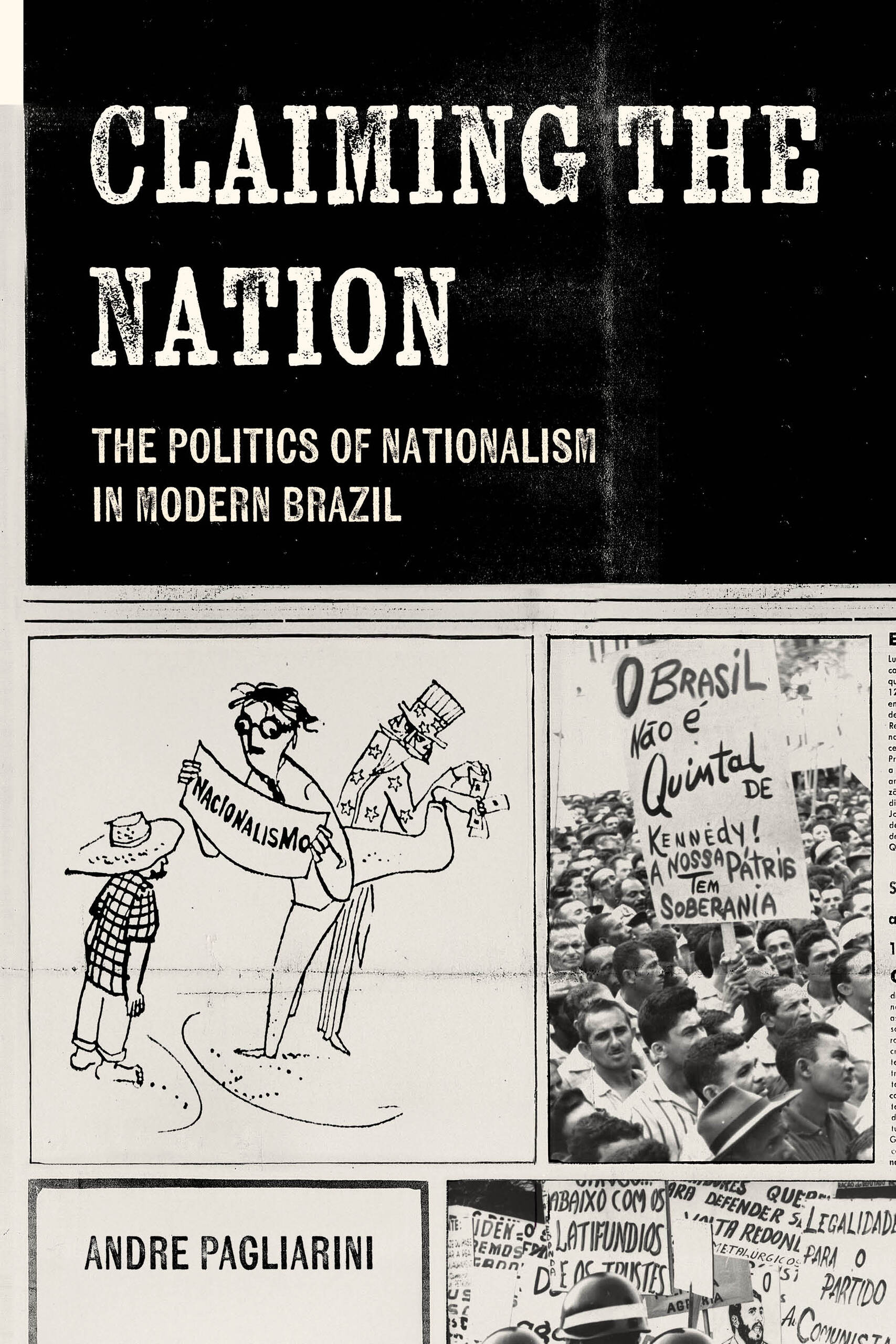
Claiming the Nation traces the contested history of the nationalist label in twentieth-century Brazil, examining how both progressive and conservative forces invoked national interest to advance divergent political agendas. Focusing on the period from the 1920s through the end of military rule in 1985, Andre Pagliarini demonstrates how progressive reformers linked nationalism to social justice, economic sovereignty, and mass participation, while right-wing elites often used it to justify hierarchy and technocratic governance. Read More
He Has the People: Abraham Lincoln and the Election of 1860
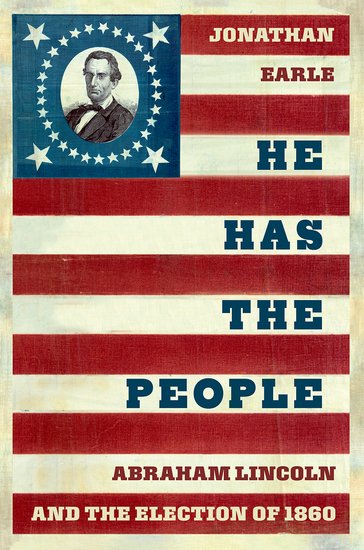
The presidential election of 1860 was about more than who the next president would be. It was about how soon war would follow his inauguration.
Jonathan Earle captures the full drama of the 1860 election. He shows how Lincoln, a one-time Congressman from Illinois, and a dark horse against the more established Stephen Douglas, the Democratic frontrunner, and William Henry Seward, the presumptive Republican nominee, got the people and votes he needed to win in a protracted yet furiously disputed election cycle. Read More
Postcolonial Politics in Sierra Leone
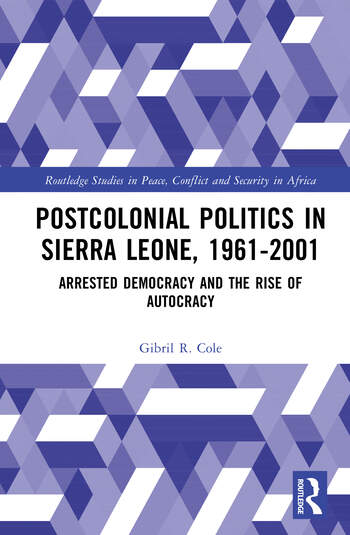
Investigates the historical trajectory of postcolonial Sierra Leone, especially the persistence of a culture of political violence and autocratic tendencies.
The 2023 national polls became a stark reminder of the persistence of élite bickering, electoral malfeasance, autocratic political machinations, and violence. This book investigates how a culture of corruption, political violence, and autocracy crystallized in the decades following independence and has persisted into the modern day. Read More
Humanitarianism: A Very Short Introduction

Traces the events and trends that defined modern humanitarianism, from the eighteenth century up to the present day. It describes the origins of international humanitarian action, the development of major humanitarian organizations and movements, the evolution of international humanitarian law, and the expansion of the international humanitarian sector. Read More
History professor featured on NPR
Fred C. Frey Professor of History Dr. Aaron Sheehan-Dean was featured on the April 27 episode of NPR's "Louisiana Considered," where he discussed the capture of New Orleans during the Civil War.
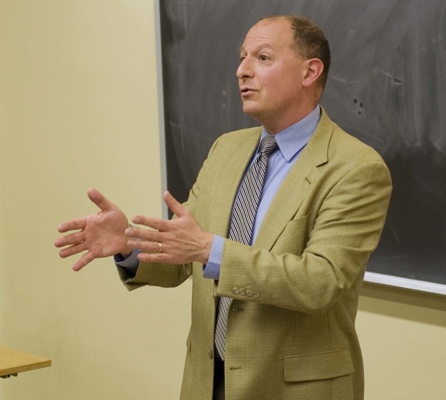
Stay up-to-date on our activities by checking back here frequently, or by visiting and following our Facebook, X, and Instagram accounts. Contact individual faculty members by the email addresses listed in their faculty profiles; for general comments or questions about this website you may contact: History Department Webmaster.