Geology and Geophysics News
Dr. Karunatillake Delivers RESCON Keynote
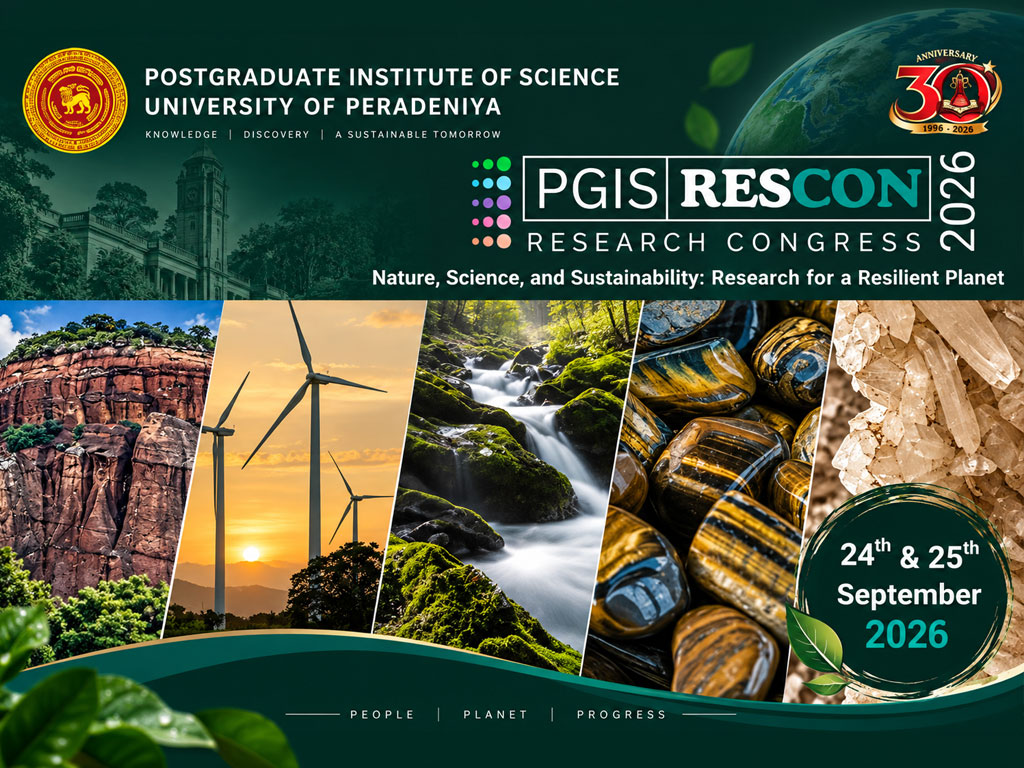
Associate Professor Suniti Karunatillake is sharing his planetary science expertise as a keynote speaker at RESCON 2026 in Sri Lanka. Hosted by the University of Peradeniya, the conference connects researchers from Sri Lanka and abroad around science and sustainability.
RESCON 2026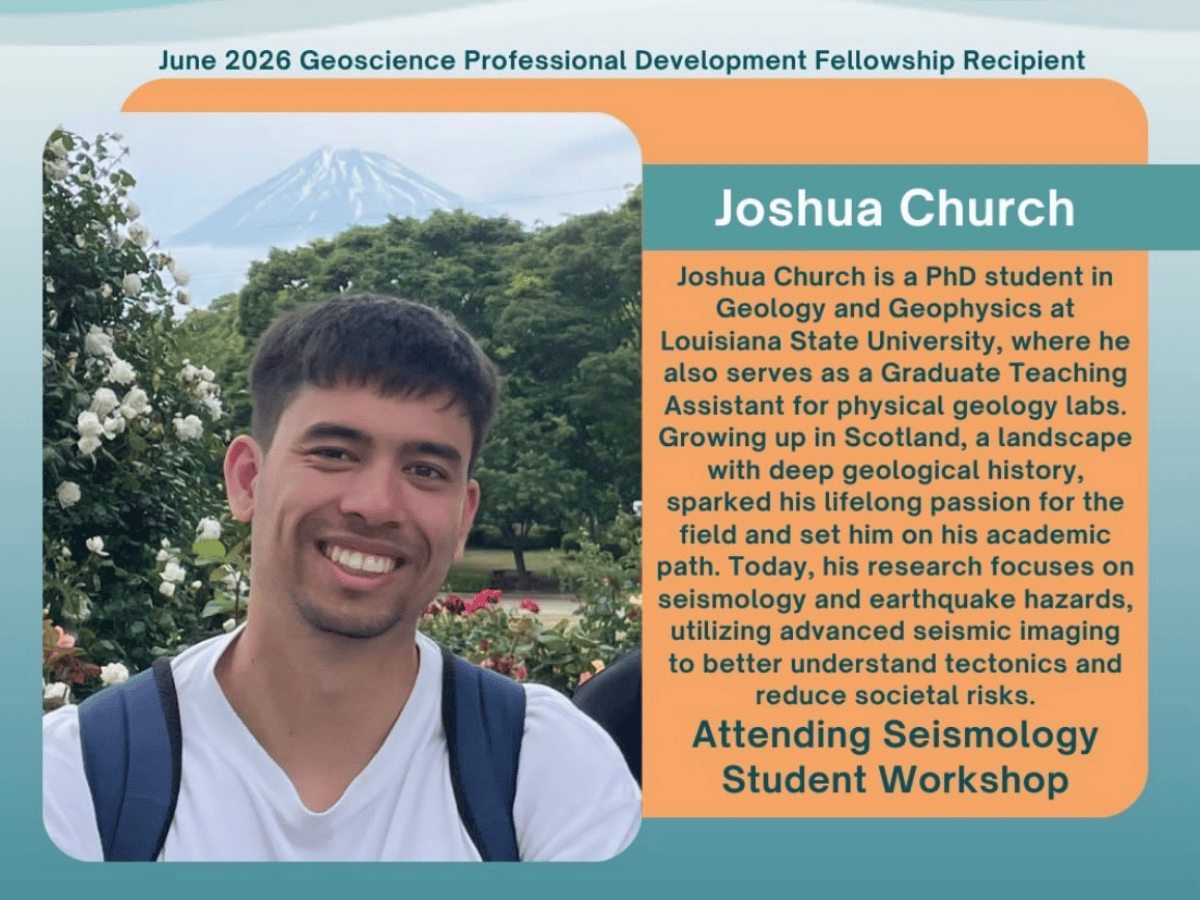
Professional Development Fellowship
PhD student Joshua Church of the Shuck Lab received a competitive CRESCENT Geoscience Professional Development Fellowship to present at the 2026 Fall Seismology Student Workshop in Honolulu, Hawaii.
CRESCENT Fellowship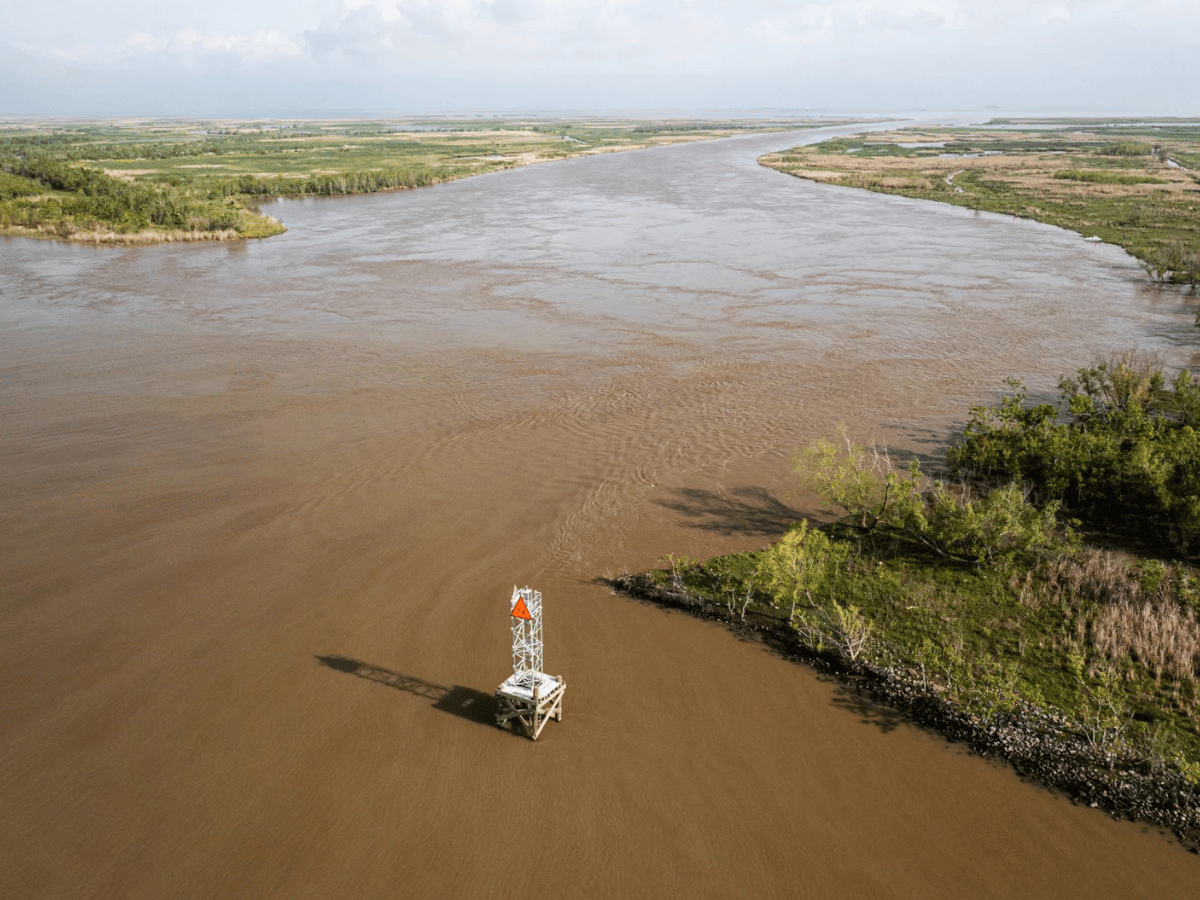
Louisiana Considered Episode
This episode of Louisiana Considered follows teachers from across Louisiana as they visit Neptune Pass to see how the naturally forming channel is building new land.
Louisiana Considered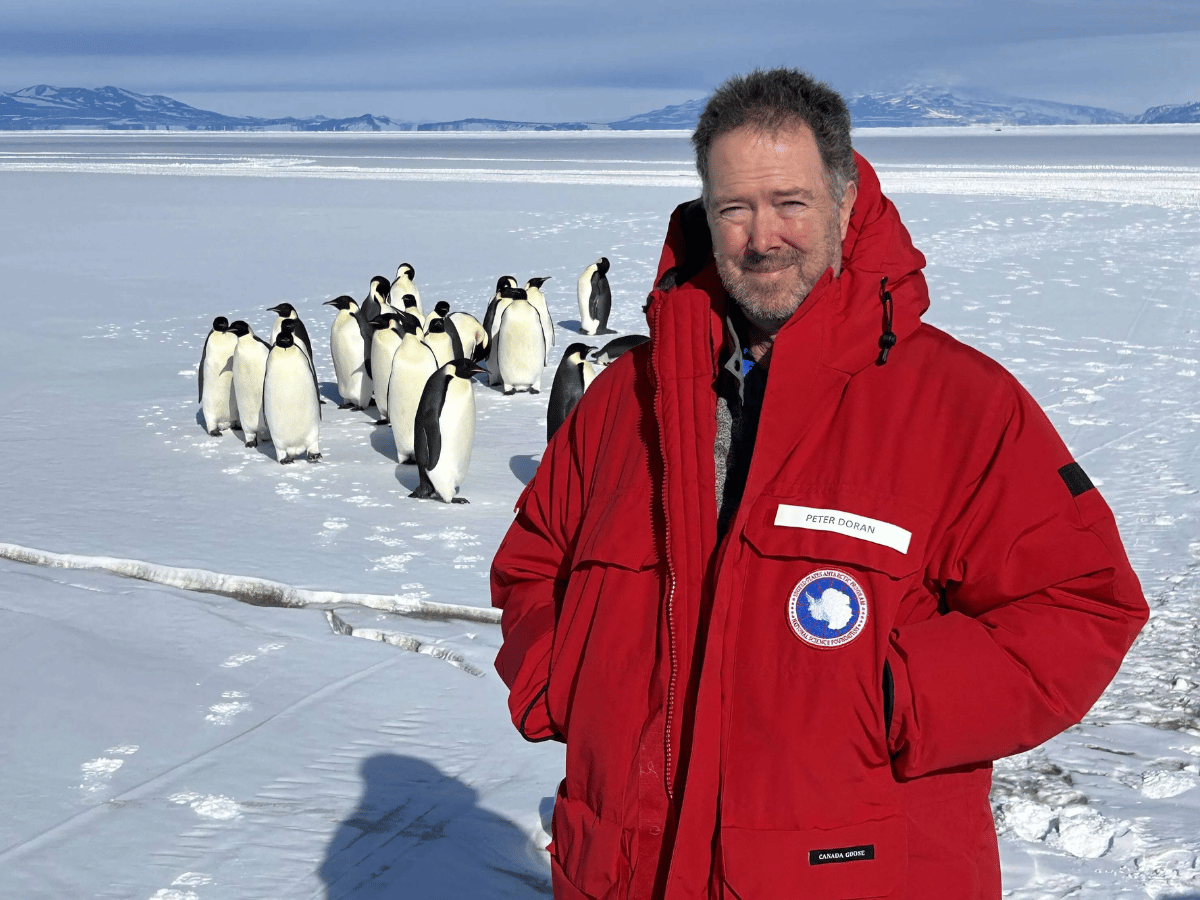
New Funding
Dr. Peter Doran received a $75,000 NSF RAPID grant to study how groundwater beneath Antarctica’s ice affects marine life and climate. This fall’s expedition, in collaboration with New Zealand’s Antarctic program, will support a larger follow-on proposal.
Keynote Speaker
Dr. Sophie Warny, AASP Professor at LSU’s Center for Excellence in Palynology, will deliver a keynote at the 58th Annual Meeting of AASP–The Palynological Society, held September 8–11 in Trelew, Argentina. Her talk is titled “Pollen Analysis in Apiology: Bridging Conservation, Foraging, and Production Issues.”
58th Annual Meeting AASPDr. Karunatillake Delivers RESCON Keynote
Associate Professor Suniti Karunatillake is sharing his planetary science expertise as a keynote speaker at RESCON 2026 in Sri Lanka. Hosted by the University of Peradeniya, the conference connects researchers from Sri Lanka and abroad around science and sustainability.
RESCON 2026Professional Development Fellowship
PhD student Joshua Church of the Shuck Lab received a competitive CRESCENT Geoscience Professional Development Fellowship to present at the 2026 Fall Seismology Student Workshop in Honolulu, Hawaii.
CRESCENT FellowshipLouisiana Considered Episode
This episode of Louisiana Considered follows teachers from across Louisiana as they visit Neptune Pass to see how the naturally forming channel is building new land.
Louisiana ConsideredNew Funding
Dr. Peter Doran received a $75,000 NSF RAPID grant to study how groundwater beneath Antarctica’s ice affects marine life and climate. This fall’s expedition, in collaboration with New Zealand’s Antarctic program, will support a larger follow-on proposal.
Keynote Speaker
Dr. Sophie Warny, AASP Professor at LSU’s Center for Excellence in Palynology, will deliver a keynote at the 58th Annual Meeting of AASP–The Palynological Society, held September 8–11 in Trelew, Argentina. Her talk is titled “Pollen Analysis in Apiology: Bridging Conservation, Foraging, and Production Issues.”
58th Annual Meeting AASP
IN THE NEWS
Featured Research
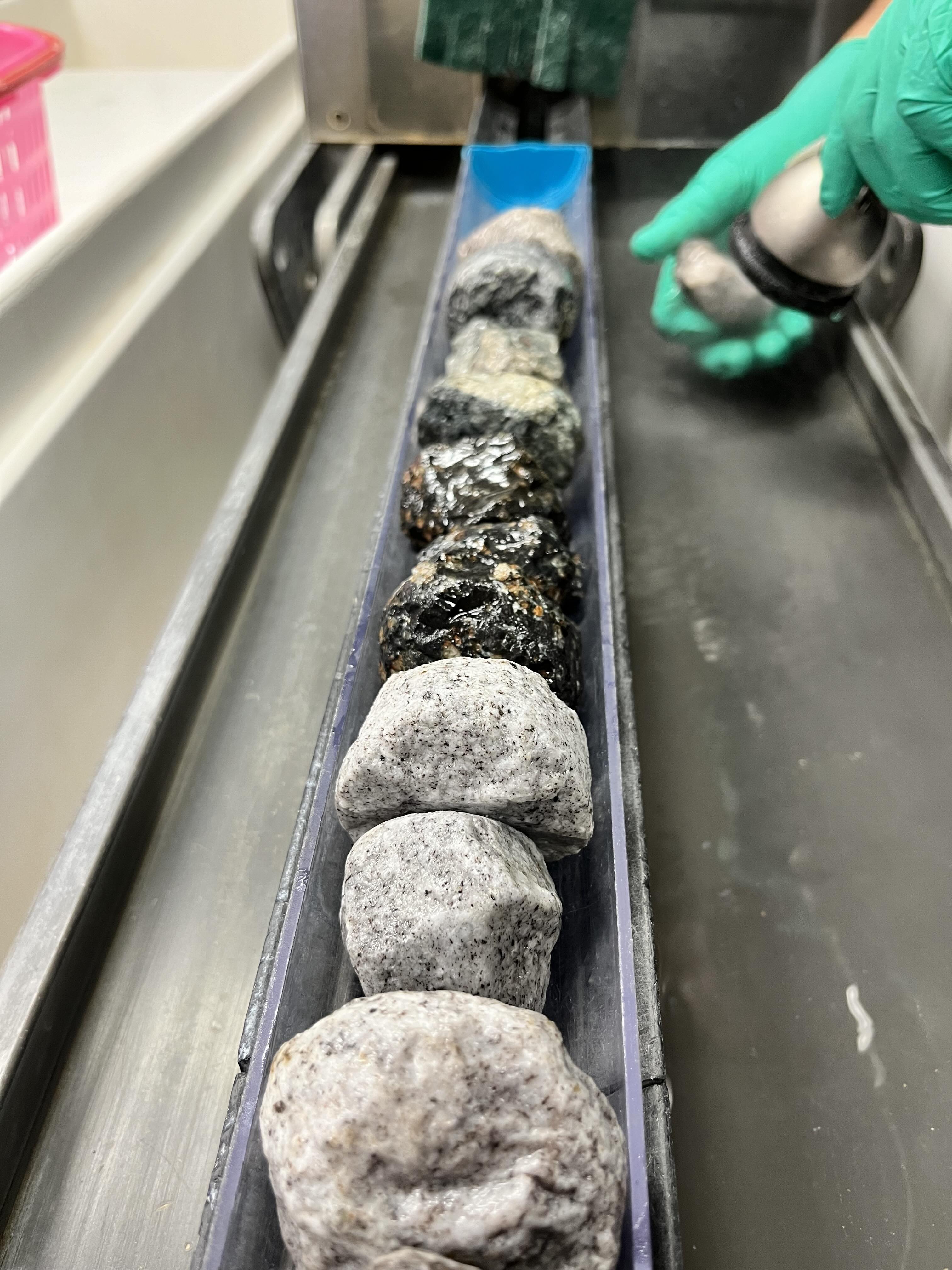
Scientists drilling beneath the Tyrrhenian Sea offshore Italy uncovered unexpected granite intrusions buried within Earth’s mantle, revealing new clues about how continents break apart and oceans begin to form. The study shows that these unusual rocks not only preserved a rare record of fault activity during the opening of a young ocean basin, but may also have helped keep the fault system active as deep mantle rocks rose toward the seafloor.
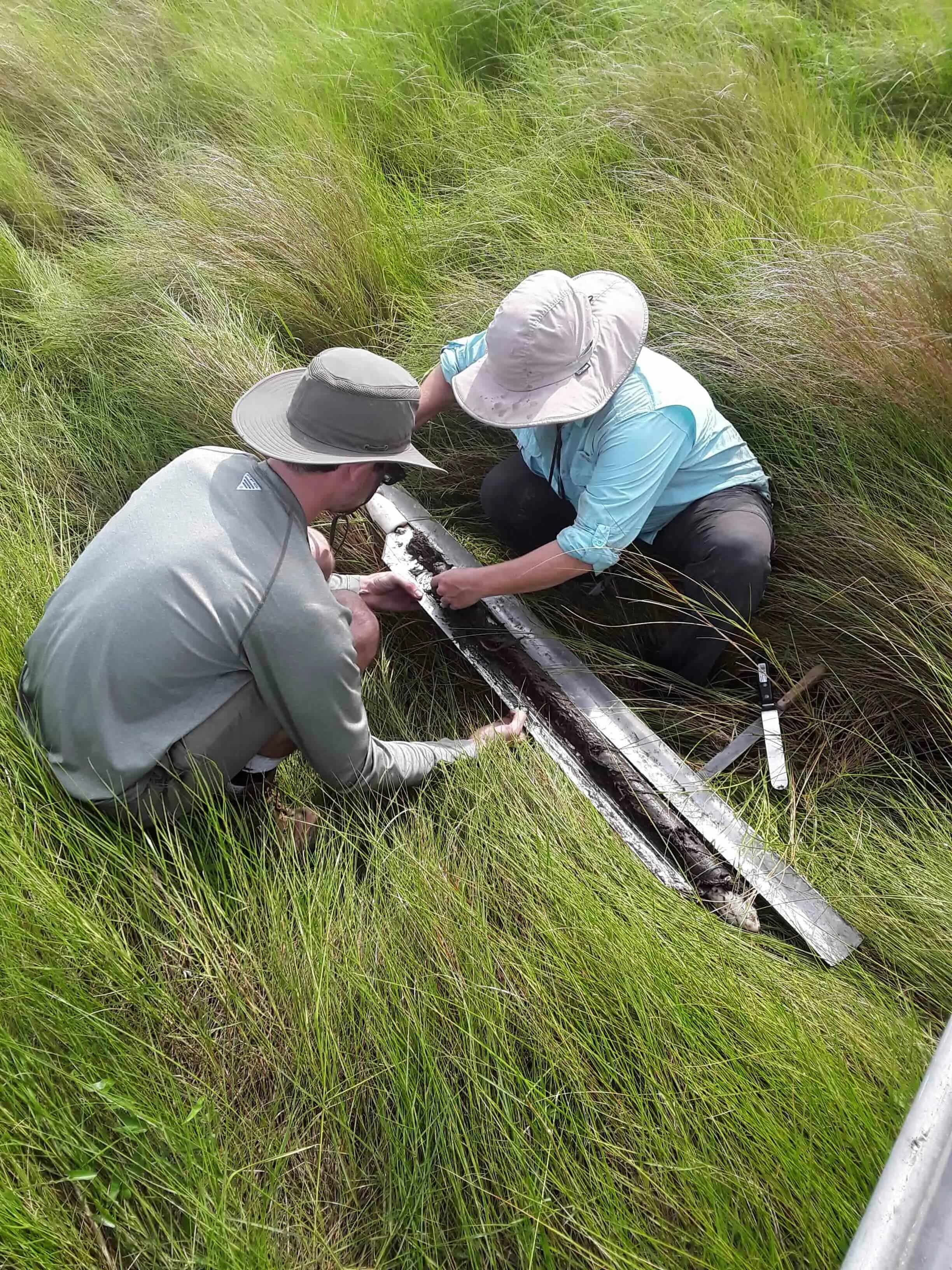
Louisiana’s coastline faces well-documented threats from sea-level rise, subsidence, and land loss. A 2024 study warned that up to 75% of wetlands could drown by 2070. New research from LSU-affiliated scientists adds nuance, showing that wetland loss varies by location. While some areas are deteriorating due to erosion, others can still build elevation when sediment is available. The findings highlight the need for site-specific restoration strategies, from marsh creation to sediment diversions, tailored to local conditions and processes shaping each landscape.
Blog Stories

A doctoral journey rarely follows a straight line. For Dewan Mohammad Enamul Haque, a graduate student in LSU's Department of Geology & Geophysics, the path from the University of Dhaka in Bangladesh to LSU has crossed disciplines, continents and even planets. Along the way, he has learned new computational tools, pursued research across Earth and planetary science, navigated setbacks and secured more than $300,000 in scholarships, grants, fellowships and awards to support his doctoral studies.
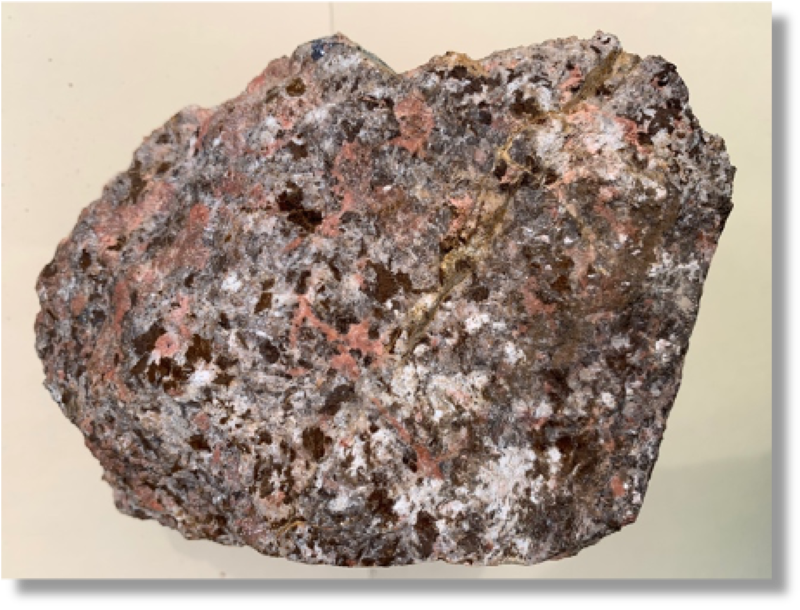
Only 30 of the 600 carbonatite formations worldwide contain rare earth elements (REEs), vital to electronics and defense systems, to make commercial production viable. Two confirmed locations lie in the United States, with exploration continuing. The U.S. must find new deposits of REE-containing minerals to secure its supply chain.. LSU has developed analytical procedures to identify, describe, and define REEs’ key physical, chemical, and structural properties, positioning the university as a potential service center for researchers and companies worldwide.
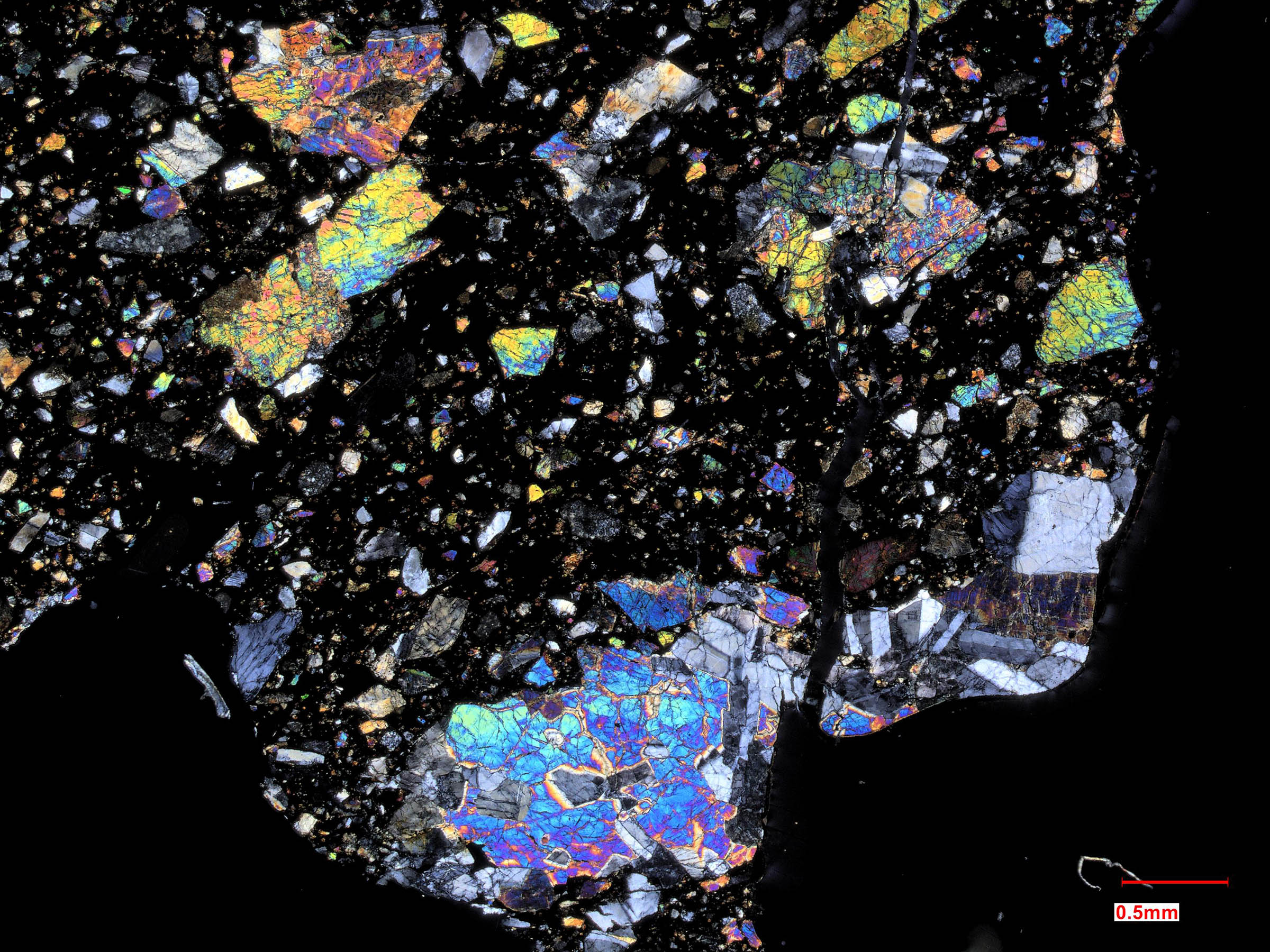
By studying samples collected by previous Apollo missions of lunar soil, as well as meteorites from the Moon, LSU geologist Matthew Loocke has been able to unlock new information about how the Moon formed, what it looked like in the past, and what previously unknown chemistries and critical minerals might exist there now.
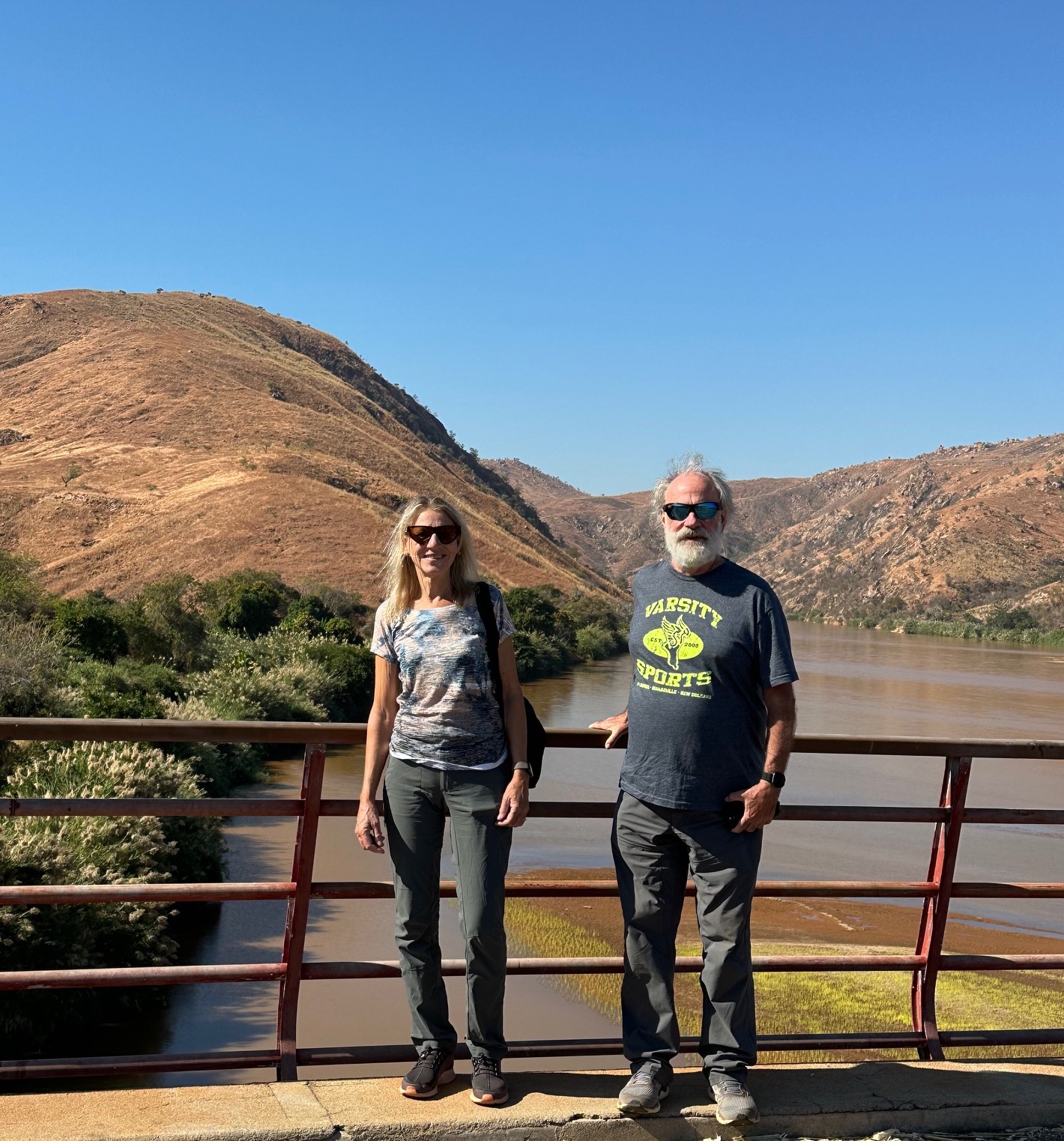
Two faculty members from LSU’s Department of Geology and Geophysics played key leadership roles at the Fourth International Conference on Tourmaline, known as TUR2025, held July 18-23 in Antsirabe and surrounding regions of Madagascar, one of the world’s premier sources of gem-quality tourmaline.
On Pluto, clustered pits resembling gas pockmarks on Earth have been a mystery. LSU researchers compared the geomorphology of pits on Pluto to gas pockmarks on Earth and found strong evidence that the pits are sources of gas seeping from the dwarf planet’s subsurface.
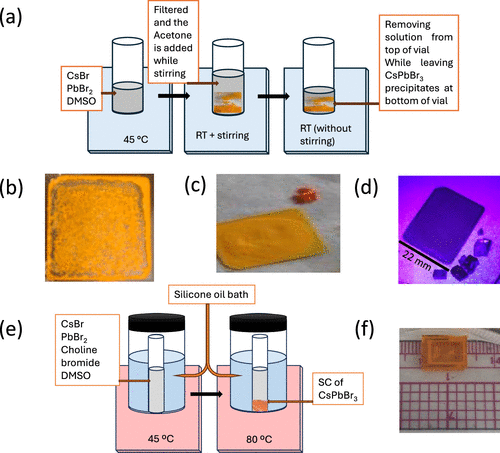
LSU research shows a solar-inspired material, CsPbBr3, can power fiber-optic sensors that detect radiation, UV, and visible light across wide areas. The technology could enable real-time, distributed monitoring to improve nuclear power safety.
Newsletter
Coming this fall, we’re excited to launch a new department newsletter highlighting the outstanding research, achievements, people, and events within LSU Geology & Geophysics. Stay tuned!